

Sneezing Season Doesn’t Have To Win
Natural Support for Seasonal Allergies
By Dr. Brigitte Rossi | Rossi Chiropractic Center
Every spring and fall, millions of people brace themselves for the same unwelcome visitors: sneezing, watery eyes, a runny nose, and that foggy, worn-out feeling. Seasonal allergies are incredibly common, but they do not have to take over your life. The good news is that your body was designed to handle challenges like this, and there is a lot you can do, naturally, to support it.
At Rossi Chiropractic Center, we look at the whole picture. Rather than just masking symptoms, we work to understand why your immune system is reacting so strongly and how to help bring it back into balance. This blog post will walk you through some of our favorite natural strategies for seasonal allergy support, including chiropractic care, the Body Code, essential oils, supplements, foods, lifestyle habits, and air quality support.
What Is Really Happening With Seasonal Allergies?
When you have a seasonal allergy, your immune system is treating something harmless, like pollen, as a threat. It mounts a defense reaction that causes all those familiar symptoms. In an ideal world, your immune system would recognize that pollen is not dangerous and stay calm. But when the body is under stress, overloaded with toxins, or carrying unresolved emotional tension, the immune system can become overreactive.
This is why two people can walk through the same pollen-filled park, and one will sneeze the whole way while the other feels just fine. It is not just about the pollen. It is about the state of the body receiving it.
Chiropractic Care and Your Immune System
Many people think of chiropractic care only for back pain or neck stiffness. But there is a much bigger story here, one that is especially relevant for anyone dealing with allergies or immune system challenges.
Your nervous system is the master control system of your body. It coordinates every function, including how your immune system responds to its environment. Your spine protects the spinal cord, which is the main highway for all of that communication. When there are misalignments in the spine, called subluxations, that communication gets disrupted. The result can be a nervous system that is stuck in overdrive, and an immune system that cannot regulate itself properly.
Chiropractic adjustments remove that interference. When the nervous system can communicate clearly, the immune system is better able to tell the difference between a real threat and something harmless, like pollen. This is one reason many of our patients notice that their allergy symptoms improve with regular chiropractic care, even when that was not the primary reason they came in.
What the Research Shows
This is not just theory. There is a growing body of research supporting the connection between chiropractic care and immune function:
- Pero Study (1975): A landmark study by Dr. Ronald Pero, Chief of Cancer Prevention Research at New York’s Preventive Medicine Institute, found that people under long-term chiropractic care had immune competence levels 200% greater than those who had not received chiropractic care, and 400% greater than those with cancer or serious illness. This pointed strongly to chiropractic’s role in supporting the body’s natural defense systems.
- JMPT Immune Marker Research: Research published in the Journal of Manipulative and Physiological Therapeutics found that spinal manipulation led to measurable changes in immune markers, including increases in immunoglobulin levels and natural killer cell activity. Natural killer cells are a key part of the body’s first-line immune defense.
- Selano et al. (1994): A study by Selano et al. found that HIV-positive patients who received chiropractic adjustments over a six-month period showed a 48% increase in CD4 cell counts, a critical immune measure, compared to the control group. This highlights the potential for chiropractic to influence immune cell function directly.
- Brennan Study (1991): Research by Patricia Brennan, PhD found that spinal manipulation led to a priming of the immune system, specifically an enhanced respiratory burst of polymorphonuclear neutrophils. In plain terms, the immune system became more responsive and effective following an adjustment.
- Neuroimmunology Review (2010): A 2010 review published in Chiropractic and Osteopathy examined the relationship between the nervous system, the immune system, and spinal health, concluding that vertebral subluxations can create neurological stress responses that negatively impact immune regulation, and that their correction through chiropractic care may help normalize those responses.
How This Connects to Allergies Specifically
The vagus nerve plays a central role in regulating inflammation throughout the body. When the upper cervical spine (the top of the neck) is misaligned, it can affect vagus nerve function and contribute to heightened inflammatory responses, including the kind seen with allergic reactions. Adjusting this area of the spine can help restore proper nerve tone and reduce overall reactivity.
Additionally, the adrenal glands produce cortisol, which is one of the body’s natural anti-inflammatory compounds. Chronic stress and spinal misalignment can impair adrenal communication, leaving the body less able to keep inflammation in check during allergy season. Chiropractic care, combined with proper nutritional support, helps take some of the load off an already taxed system.
Regular chiropractic adjustments are not just about feeling better in the moment. They are an investment in a nervous system that can regulate, respond, and recover the way it was designed to. For allergy sufferers, this can be genuinely life-changing.

Going Deeper: The Body Code and Allergy Root Causes
This is where our work goes beyond what most practitioners offer. Seasonal allergies are rarely just about pollen. Beneath the symptoms, there is often a deeper imbalance that the body is trying to communicate through its reactions.
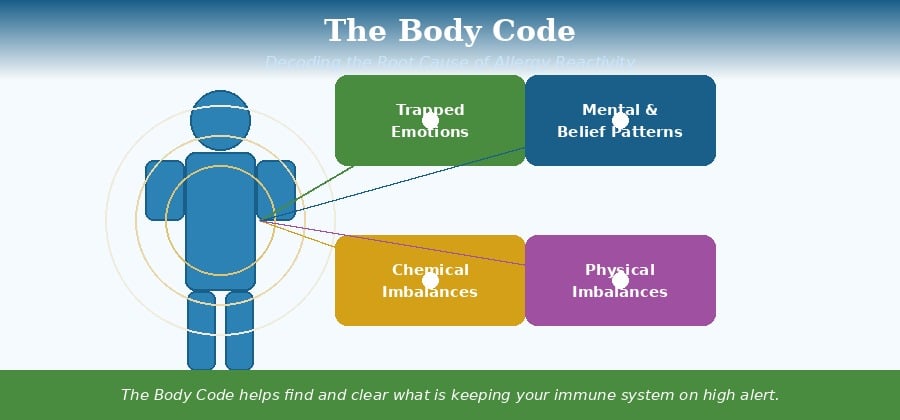
The Body Code is a comprehensive system developed by Dr. Bradley Nelson that helps us identify and release the underlying imbalances that may be contributing to your allergy response. These can include:
- Trapped Emotions: Trapped emotions such as fear, grief, or overwhelm that have been stored in the body and are now affecting how the immune system functions
- Mental and Belief Patterns: Mental and belief patterns that keep the nervous system stuck in a state of hypervigilance, making the immune system more reactive
- Chemical Imbalances: Chemical imbalances such as nutritional deficiencies, toxin accumulation, or hormonal disruptions that affect immune regulation
- Physical Imbalances: Physical misalignments or disconnections in the body’s energy systems that interfere with proper immune signaling
Using muscle testing and the Body Code map, Dr. Brigitte Rossi can help identify which of these factors may be at the root of your allergy response and work to release or correct them. Many patients are surprised to find that old emotional experiences, long-forgotten beliefs, or inherited energy patterns are showing up as physical symptoms today.
The body keeps a record of everything it has been through. The Body Code helps us find and clear what is no longer serving your health, so your immune system can respond with clarity and calm rather than chaos.
When combined with chiropractic care, which removes interference from the nervous system so the body can communicate clearly with itself, the Body Code becomes an even more powerful tool for lasting allergy relief.
Essential Oils for Allergy Season
Essential oils are one of our favorite tools during allergy season. They are natural, gentle, and can offer real relief when used correctly. Here are some of the most helpful ones:
- Lavender: Lavender calms the body’s overreaction and supports restful sleep. Try diffusing it at night or applying diluted to the bottoms of your feet.
- Lemon: Lemon is a natural cleanser and supports the respiratory system. It works beautifully in a diffuser or diluted and applied to the chest.
- Peppermint: Peppermint helps open up airways and ease that tight, congested feeling. Even just inhaling it from the bottle can bring quick comfort.
- Frankincense: Frankincense is a powerhouse for immune support and calming inflammation. Apply diluted over the sinuses, chest, or bottoms of the feet.
- Eucalyptus: Eucalyptus supports clear breathing and is wonderful in a steam bowl or diffuser.
- Respiratory Blends: Breathe or Easy Air (doTERRA) blends like these are specially formulated to support clear airways and comfort during allergy season. Diffuse, apply to the chest, or inhale directly.
- The Family Essentials kit is a great place to start if you are new.
Tip: A simple trio of lavender, lemon, and peppermint (one drop each in a capsule or diffused together) is a classic natural allergy support combination. Ask Dr. Rossi which oils and methods are right for you and your family.
Supplements That Support Your Body
Several natural supplements can help calm the immune response and reduce allergy symptoms from the inside out. Look for high-quality, clean-label products for the best results.
- Quercetin: Quercetin is a natural plant compound that acts like a natural antihistamine. It helps stabilize the cells that release histamine, which is what causes many allergy symptoms. Foods rich in quercetin include apples, onions, and capers, and it is also available in supplement form.
- Stinging Nettle: Stinging Nettle Leaf has been used for centuries as a natural remedy for hay fever. Research suggests it may help reduce histamine release and ease symptoms like sneezing and itchy eyes.
- Vitamin C: Vitamin C is a natural antihistamine and immune booster. Getting plenty through food and a quality supplement can make a real difference during allergy season.
- Vitamin D: Vitamin D plays a big role in immune regulation. Low vitamin D is linked to increased allergy and autoimmune reactivity. Getting your levels tested is a great first step.
- Probiotics: Probiotics support the gut, which is closely linked to immune function. A healthy gut microbiome helps the immune system respond in a more balanced way.
- Bromelain: Bromelain (found in pineapple) can help reduce sinus inflammation and support easier breathing. It is also available as a supplement, often paired with quercetin.
Always talk with Dr. Rossi before starting new supplements, especially if you are taking medications or managing a health condition.
Foods That Help (and Hurt) During Allergy Season
Foods to Add More Of
- Local raw honey (if tolerated) may help your body gently adapt to local pollen over time
- Leafy greens like spinach and kale are packed with antioxidants and vitamin C
- Colorful vegetables and berries rich in quercetin and anti-inflammatory compounds
- Ginger and turmeric, natural anti-inflammatories that support the whole body
- Bone broth to support gut lining and immune function
- Fermented foods like sauerkraut, kimchi, and plain kefir for probiotic support
- Pineapple and papaya for natural enzymes that reduce inflammation
Foods to Reduce or Avoid
Some foods can increase histamine in the body or create more inflammation, making allergy symptoms worse. During peak allergy season, it helps to cut back on:
- Processed and packaged foods with artificial dyes, preservatives, and additives
- Dairy, which can thicken mucus and increase congestion for many people
- Alcohol, especially wine and beer, which are high in histamine
- Sugar, which suppresses immune function and feeds inflammation
- Gluten, for those with sensitivities, as it can increase gut permeability and immune reactivity
Lifestyle Habits That Make a Big Difference
Small, consistent daily habits can significantly reduce your allergy burden. Here are some of the most impactful:
- Watch the pollen report: Check pollen counts before heading outside. High-count days are a good time to keep windows closed and limit outdoor time during peak hours (usually early morning).
- Shower after being outdoors: After being outside, shower and change clothes to remove pollen from your hair and skin before it spreads through your home.
- Rinse your sinuses: Nasal rinsing with a saline rinse or neti pot helps flush pollen and irritants from the nasal passages. This can be one of the most immediately helpful habits.
- Prioritize sleep: Allergy symptoms often worsen when you are tired. Your immune system does its best healing work while you sleep.
- Move your body: Even gentle movement like walking or yoga supports lymphatic flow and helps the body process and eliminate irritants.
- Manage stress: Emotional and physical stress directly impacts immune function. The more we can support your nervous system, the better your body can regulate itself. Chiropractic care is a powerful support here.
Clean Air at Home: The TriadAer Difference
One of the most important things you can do during allergy season is clean up the air in your home. We spend most of our time indoors, and indoor air can actually be more polluted than outdoor air, especially during high-pollen times when doors and windows are closed.
We love and recommend the TriadAer air purifier for our patients. Unlike standard air filters that only catch particles as they pass through, the TriadAer uses advanced technology to actively send out ions and oxidants that neutralize pollutants, allergens, mold, bacteria, and volatile organic compounds (VOCs) throughout your space. It works in the whole room, not just near the unit.
For allergy sufferers, this means:
- Pollen and dust particles are neutralized throughout the room
- Mold spores (a major hidden allergy trigger) are reduced
- VOCs from cleaning products, candles, and off-gassing furniture are addressed
- Odors and airborne pathogens are significantly reduced
The TriadAer is particularly valuable for people with autoimmune conditions, chemical sensitivities, or chronic respiratory issues. Ask us about it at your next visit for in-office discount.

A Simple Seasonal Allergy Support Plan
You do not have to do everything at once. Here is a simple starting point:
- Start diffusing lavender, lemon, and peppermint daily
- Add more quercetin-rich foods like apples, onions, and berries
- Try a saline nasal rinse in the morning
- Consider adding a quercetin or vitamin C supplement
- Run your TriadAer air purifier in the rooms where you spend the most time
- Schedule a visit with Dr. Rossi to address nervous system support, identify any deeper imbalances with the Body Code, and create a plan specific to your body
References
- Schapowal A. Randomised controlled trial of butterbur and cetirizine for treating seasonal allergic rhinitis. BMJ. 2002;324(7330):144-146.
- Mlcek J, et al. Quercetin and Its Anti-Allergic Immune Response. Molecules. 2016;21(5):623.
- Shaik YB, et al. Role of quercetin (a natural herbal compound) in allergy and inflammation control. Eur J Pharm Biopharm. 2006;62(3):309-316.
- Mittman P. Randomized, double-blind study of freeze-dried Urtica dioica in the treatment of allergic rhinitis. Planta Med. 1990;56(1):44-47.
- Bjelakovic G, et al. Mortality in randomized trials of antioxidant supplements for primary and secondary prevention. JAMA. 2007;297(8):842-857.
- Holick MF. Vitamin D deficiency. N Engl J Med. 2007;357(3):266-281.
- Forsythe P, Bienenstock J. Immunomodulation by commensal and probiotic bacteria. Immunol Invest. 2010;39(4-5):429-448.
- Saavedra JM, Dattilo AM. Early development of intestinal microbiota and mucosal immunity. Semin Pediatr Infect Dis. 2012;23(4):189-197.
- Nelson BD. The Emotion Code. Wellness Unmasked Publishing; 2007.
- Epstein S. You Can Heal Yourself. Mind Body Medical Institute; 2010.
- Pero R. Medical Researcher Excited By CBSRF Project Results. The Chiropractic Journal. 1989.
- Brennan PC, et al. Enhanced phagocytic cell respiratory bursts induced by spinal manipulation: potential role of substance P. J Manipulative Physiol Ther. 1991;14(7):399-408.
- Selano JL, et al. The Effects of Specific Upper Cervical Adjustments on the CD4 Counts of HIV Positive Patients. The Chiro Research Journal. 1994;3(1).
- Teodorczyk-Injeyan JA, et al. Spinal manipulative therapy reduces inflammatory cytokines but not substance P production in normal subjects. J Manipulative Physiol Ther. 2006;29(1):14-21.
- Alcantara J, Alcantara JD, Alcantara J. The chiropractic care of patients with asthma: a systematic review of the literature to inform clinical practice. Clin Chiropr. 2012;15(1):23-30.
16. Hawk C, et al. Chiropractic care for nonmusculoskeletal conditions: a systematic review with implications for whole systems research. J Altern Complement Med. 2007;13(5):491-512.

